
 (360) 649-7801



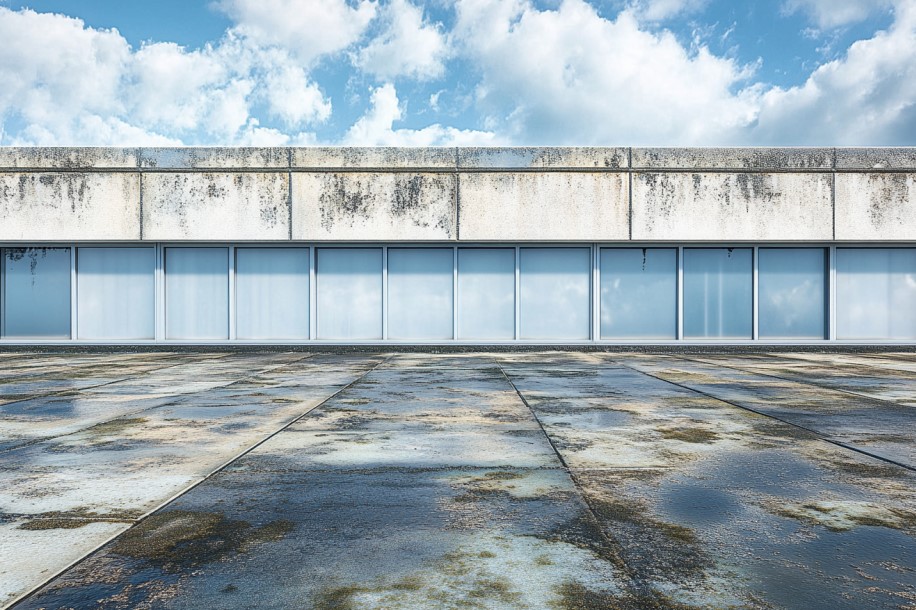
Winter doesn’t usually kick down the door. It sneaks in quietly—one cold night at a time—until suddenly you’re dealing with leaks, tenant complaints, and emergency repair calls. For property managers responsible for commercial buildings with flat roofs, ice damage is one of the most underestimated and costly winter problems out there.
Flat roofs behave differently than steep-slope systems, especially in cold, wet climates like Port Orchard, WA. When ice shows up, it doesn’t just sit there looking frosty—it works its way into drains, seams, membranes, and insulation, often without obvious warning signs. By the time the damage is visible, it’s already expensive.
This guide breaks down what property managers really need to know about commercial flat roof ice damage, how to spot it early, and how to protect your building before winter problems turn into year-round headaches.
Key Takeaways
- Ice damage on flat roofs often starts small but escalates quickly if ignored
- Poor drainage is the biggest contributor to winter roof failures
- Ice dams aren’t just a residential problem—they’re a major commercial risk
- Preventive maintenance costs far less than emergency winter repairs
- Local roofing expertise matters when dealing with Pacific Northwest weather
Why Are Flat Commercial Roofs So Vulnerable to Ice Damage?
Because flat roofs don’t shed water the way sloped roofs do
Despite the name, flat roofs aren’t perfectly flat—but they’re flat enough to hold water. During winter, that water freezes, expands, melts, and refreezes over and over again. Each cycle puts stress on the roofing membrane, seams, flashing, and drainage system.
In areas like Port Orchard, where temperatures hover around freezing and winter precipitation is common, this freeze-thaw cycle is relentless. Snow melts during the day, refreezes at night, and slowly works its way into places it shouldn’t.
The result? Cracks, membrane separation, blocked drains, and water infiltration that doesn’t show up until spring—or later.
What Types of Ice Damage Affect Commercial Flat Roofs Most?
Ice damage attacks both visible surfaces and hidden systems
Ice-related roof damage isn’t always dramatic or obvious. In fact, the most dangerous issues often stay hidden until structural or interior damage appears.
Common forms of ice damage include:
- Ice dams forming around drains and roof edges
- Membrane splitting or blistering from expansion
- Cracked flashing around HVAC units and penetrations
- Frozen roof drains causing standing water
- Saturated insulation from slow leaks
Once insulation gets wet, it loses its R-value and adds weight to the roof system—two things no commercial building wants to deal with in winter.
How Do Ice Dams Form on Flat Commercial Roofs?
When melting snow has nowhere to go, ice takes over
Ice dams happen when melting snow refreezes before it can drain properly. On flat roofs, this usually occurs around internal drains, scuppers, and parapet edges.
The process is simple but destructive:
- Heat from the building melts rooftop snow
- Water flows toward drains or edges
- Cold temperatures refreeze that water
- Ice blocks drainage paths
- More water backs up and freezes
Eventually, water gets forced under the membrane or into seams, where it waits patiently to cause leaks.
What Early Warning Signs Should Property Managers Watch For?
Small winter clues often point to big roof problems
You don’t need to climb onto the roof during a storm to know something’s wrong. Many early warning signs show up inside the building or around its perimeter.
Keep an eye out for:
- Water stains on ceilings or walls
- Dripping near exterior walls during thaw cycles
- Unusual drafts or cold spots
- Overflowing scuppers or ice buildup near drains
- Tenant complaints that spike after freezes
If multiple tenants mention issues at the same time, it’s often a roof problem—not a coincidence.
How Does Ice Damage Impact Long-Term Roof Performance?
One winter can shave years off a flat roof’s lifespan
Ice damage doesn’t just cause leaks—it shortens the life of your entire roofing system. Repeated freeze-thaw cycles weaken adhesives, pull apart seams, and stress flashing details that were never designed to flex that much.
Over time, this leads to:
- More frequent repairs
- Higher maintenance costs
- Reduced energy efficiency
- Premature roof replacement
For property managers working within budgets and timelines, that’s a headache nobody needs.

What Preventive Steps Can Reduce Ice Damage Risk?
Smart preparation beats emergency repairs every time
The good news? Ice damage is largely preventable with the right approach.
Effective prevention strategies include:
- Clearing debris from drains before winter
- Scheduling pre-winter roof inspections
- Repairing small membrane issues early
- Ensuring proper insulation and ventilation
- Installing heat tracing where appropriate
One proactive service visit can prevent months of disruption and thousands in repair costs.
Why Is Professional Roof Maintenance So Important in Winter?
Because winter is no time for guesswork
Commercial flat roofs are complex systems, and winter adds another layer of risk. Professional roofers know where ice damage starts, how it spreads, and what weak points are most likely to fail.
A professional inspection focuses on:
- Drainage performance
- Seam integrity
- Flashing condition
- Previous repair areas
- Structural stress indicators
This isn’t about selling a replacement—it’s about keeping your building dry, safe, and operational.
What Happens If Ice Damage Is Ignored?
Delayed action turns manageable issues into emergencies
Ignoring ice damage rarely ends well. What starts as a small leak can lead to mold growth, interior damage, electrical issues, and tenant disputes. In commercial buildings, that often means downtime, liability concerns, and lost revenue.
Worst-case scenarios include:
- Structural deck damage
- Widespread insulation saturation
- Emergency roof closures
- Insurance claim complications
Addressing issues early keeps control in your hands instead of scrambling during the next storm.
Cold-Weather Curiosities: Questions Property Managers Always Ask
Can flat roofs handle snow loads safely?
Yes, when properly designed and maintained. Problems arise when snow melts unevenly, refreezes, or adds weight due to trapped water and ice.
Should snow be removed from commercial flat roofs?
In some cases, yes—especially if snow is drifting unevenly or blocking drains. Removal should always be done by professionals to avoid membrane damage.
Are leaks always obvious right away?
No. Many winter leaks stay hidden until warmer weather reveals staining, odors, or mold growth.
Does ice damage mean the roof needs replacement?
Not always. Many issues can be repaired if caught early. Timing and inspection make all the difference.
How often should flat roofs be inspected in winter?
At least once before winter and once after major freeze-thaw events. Additional checks are smart for older roofs.
Protecting Your Roof, Your Building, and Your Peace of Mind
Winter doesn’t have to be a season of stress for property managers. With the right knowledge, early action, and a trusted local roofing partner, ice damage becomes manageable instead of catastrophic.
If you’re responsible for a commercial building in or around Port Orchard, WA, the smartest move you can make is getting ahead of winter roof issues before they get ahead of you.
Contact Port Orchard Roofing in Port Orchard, WA today to schedule a professional inspection or winter maintenance service. We help property managers stay prepared, protected, and confident—no matter what the forecast brings.
