
 (360) 649-7801



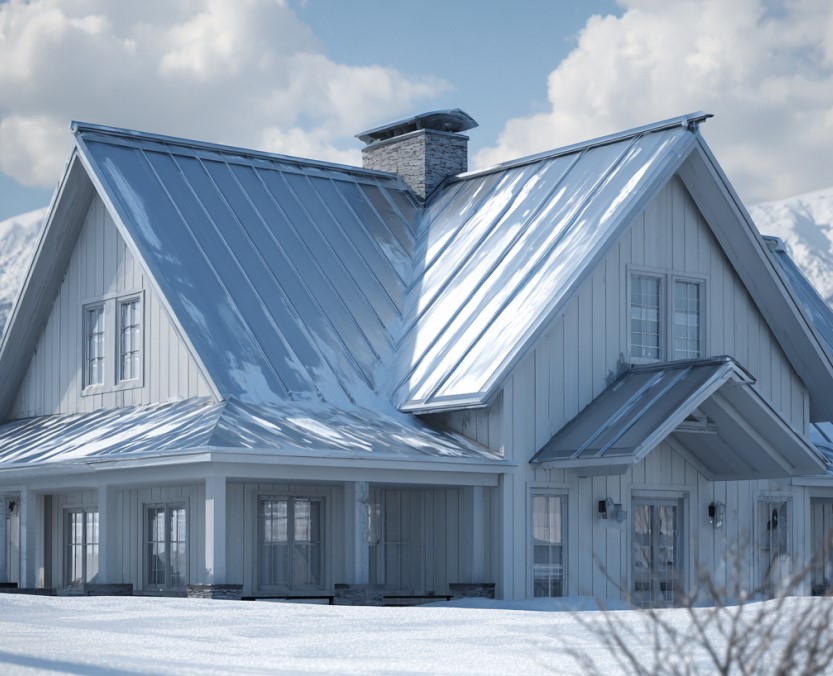
Metal roofs are tough. They’re built to handle rain, wind, and years of wear without flinching. But winter has a way of testing even the strongest systems—especially here in Port Orchard, where cold snaps, heavy rain, and the occasional freeze can all show up in the same week.
The good news? A metal roof that’s properly winterized can shrug off winter weather and keep doing its job quietly overhead. The not-so-good news is that small, overlooked issues can turn into leaks, corrosion, or costly repairs when temperatures drop.
This guide walks you through what winterizing a metal roof really means, what to watch for, and how local roofing experts help homeowners and property managers stay one step ahead of winter.
Key Takeaways
- Metal roofs handle winter well, but only when properly maintained
- Drainage, fasteners, and sealants are common cold-weather weak points
- Small pre-winter fixes prevent big mid-winter problems
- Moisture, not snow, is the biggest winter threat in the Pacific Northwest
- Professional inspections catch issues most owners never see
Why Does a Metal Roof Still Need Winter Preparation?
Because durability doesn’t mean maintenance-free
Metal roofs are often sold as a “set it and forget it” option—and while they’re long-lasting, they’re not immune to winter wear. Cold temperatures cause metal to contract. When things warm up, it expands again. Over time, that movement stresses fasteners, seams, and sealants.
Add in winter moisture, wind-driven rain, and clogged drainage, and even a great roof can struggle. Winterizing isn’t about fixing big problems—it’s about preventing small ones from snowballing.
What Winter Conditions Are Hardest on Metal Roofs in Port Orchard?
It’s the wet cold, not deep snow, that causes the most trouble
Unlike colder inland regions, Port Orchard winters are defined by moisture. Rain, mist, and freeze-thaw cycles create perfect conditions for leaks and corrosion if a roof isn’t prepared.
Common local challenges include:
- Constant moisture sitting on panels
- Debris buildup from nearby trees
- Sudden temperature swings
- Occasional freezing that stresses seams and fasteners
Metal handles snow well, but water that lingers too long is another story.
How Should a Metal Roof Be Inspected Before Winter?
A careful look now saves emergency calls later
A proper pre-winter inspection focuses on the roof’s most vulnerable points—not just the panels themselves.
Key areas to check include:
- Fasteners that may have loosened over time
- Seams and panel overlaps
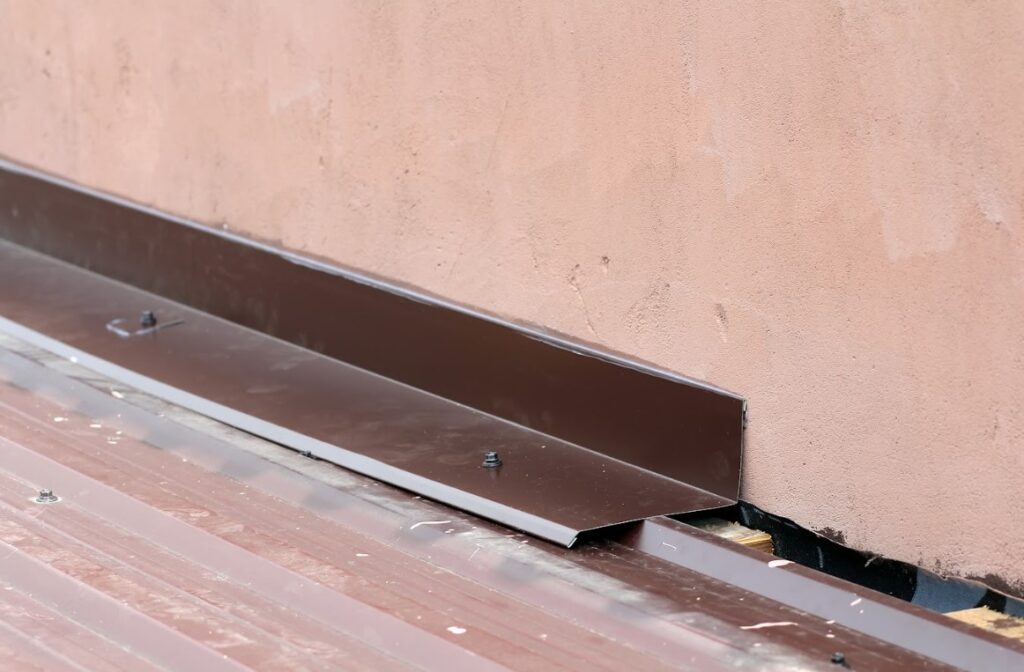
- Flashing around chimneys, vents, and skylights
- Sealants that may be cracking or shrinking
- Signs of rust or surface wear
Many issues are invisible from the ground, which is why professional inspections matter so much heading into winter.
What Maintenance Tasks Help Prevent Winter Damage?
Small seasonal upkeep makes a big difference
Winterizing a metal roof doesn’t require major construction, but it does require attention to detail. One overlooked issue can invite moisture into places it doesn’t belong.
Important maintenance steps include:
- Clearing leaves and debris from valleys and gutters
- Tightening or replacing loose fasteners
- Reapplying sealant where needed
- Cleaning areas where moisture tends to pool
This kind of routine care helps the roof shed water efficiently—even during weeks of steady rain.
Why Is Drainage So Important for Metal Roofs in Winter?
Because standing water is metal’s quiet enemy
Metal roofs are designed to move water quickly, but they can’t do that if drains and gutters are clogged. When water backs up, it increases the risk of leaks at seams and penetrations.
Blocked drainage can lead to:
- Ice forming along edges and gutters
- Water forced under flashing
- Accelerated corrosion in problem areas
Keeping water moving off the roof is one of the most effective winter protection strategies there is.
How Do Fasteners and Seams React to Cold Weather?
Expansion and contraction test every connection point
Metal expands and contracts more than many roofing materials. In winter, that movement can loosen fasteners or open seams just enough for water to sneak in.
Over time, this leads to:
- Backed-out screws
- Worn washers
- Micro-gaps at panel joints
Catching these issues before winter storms arrive keeps water out and extends the life of the entire system.
Can Snow and Ice Damage a Metal Roof?
Less than other roofs—but they still deserve respect
Metal roofs shed snow better than most materials, which reduces the risk of heavy snow loads. But when snow melts and refreezes, ice can still form near edges, eaves, or drainage points.
Potential winter concerns include:
- Ice buildup blocking gutters
- Sliding snow damaging accessories below
- Refreeze at seams during cold nights
Proper winter prep minimizes these risks and keeps the roof functioning as designed.
Should You Handle Winter Prep Yourself or Call a Professional?
Safety, experience, and trained eyes make the difference
Some maintenance tasks—like clearing visible debris—can be done by owners who are comfortable working safely. But metal roofs can be slippery, especially in damp winter conditions.
Professional roofers bring:
- Safety equipment and training
- Knowledge of common failure points
- The ability to spot early warning signs
For most property owners, a professional inspection before winter is the safest and most cost-effective choice.
What Are the Long-Term Benefits of Winterizing a Metal Roof?
Fewer repairs, lower costs, and more peace of mind
A winterized metal roof doesn’t just survive the season—it comes out the other side in better shape. Preventive care reduces wear, extends service life, and helps avoid surprise expenses.
Long-term benefits include:
- Reduced leak risk
- Improved energy efficiency
- Longer panel and fastener lifespan
- Fewer emergency service calls
That’s a return on investment any building owner can appreciate.
Cold-Weather Curiosities: Metal Roof Questions We Hear Every Winter
Do metal roofs make buildings colder in winter?
No. Proper insulation and ventilation—not the roofing material—determine indoor comfort.
Is rust a winter concern?
It can be if coatings are damaged and moisture sits too long. Early repairs prevent corrosion from spreading.
Should sealants be reapplied before winter?
Yes, if they show cracking or shrinkage. Fresh sealant helps block moisture during wet months.
Can winter leaks wait until spring?
They shouldn’t. Water intrusion in winter often causes more damage than leaks in dry seasons.
How often should metal roofs be inspected?
At least once a year, with an additional inspection before winter in wet climates.
Ready for Winter, Ready for Anything: Your Next Smart Step
Winter doesn’t need to be a guessing game. With a properly prepared metal roof, you can head into the cold months knowing your building is protected from the elements that matter most.
If you want expert eyes on your roof before winter settles in, contact Port Orchard Roofing in Port Orchard, WA. Our team understands local weather, metal roofing systems, and how to keep them performing at their best—season after season.
A little preparation now can save a lot of trouble later. Let’s get your roof winter-ready.
